College Skiing in the U.S.
Discover what U.S. College Skiing is all about and how we can help you get a Skiing scholarship at an American university - while earning your degree at the same time. Let's make your dream reality.
Free Evaluation
What Is College Skiing In The U.S.
U.S. College Skiing is the perfect opportunity to combine high-level sport with a university education. It offers a competitive and organized environment that closely mirrors a professional set-up, providing athletes with elite coaching, dedicated support, and often state-of-the-art training facilities. Securing a college skiing scholarship means you get to continue pursuing your passion at a high level while simultaneously working toward an internationally recognized degree, safeguarding your future.
Why College Skiing is so Special:
- Team Spirit Over Solo Play: You don't just ski for yourself anymore. Your teammates become your family as you fight together for national championships.
- A Global Network: Build lifelong friendships and connect with people from across the globe, opening doors to international career opportunities.
- Personal Growth: Thrive in a unique environment that builds resilience, character, and the professional discipline that will define your success for years to come.
For the most talented, college skiing serves as a strategic stepping stone: many elite graduates go on to compete professionally in the Alpine and Nordic Ski World Cups, proving it is a viable route to the professional ranks. College Skiing opens doors for your future career, whether in professional sports or the corporate world.
Combination
Train daily at a high level while earning an internationally recognized degree.
Funding
Academic and athletic scholarships cover tuition and living costs.
Career
Your degree and college experience open doors worldwide and are highly valued by employers.
Make it to The Next Level
Maximize your skiing potential and use college competition as the ultimate proving ground to make it to the professional ranks.
Hear From Our Athletes
Read what our athletes have to say about their experiences with us.
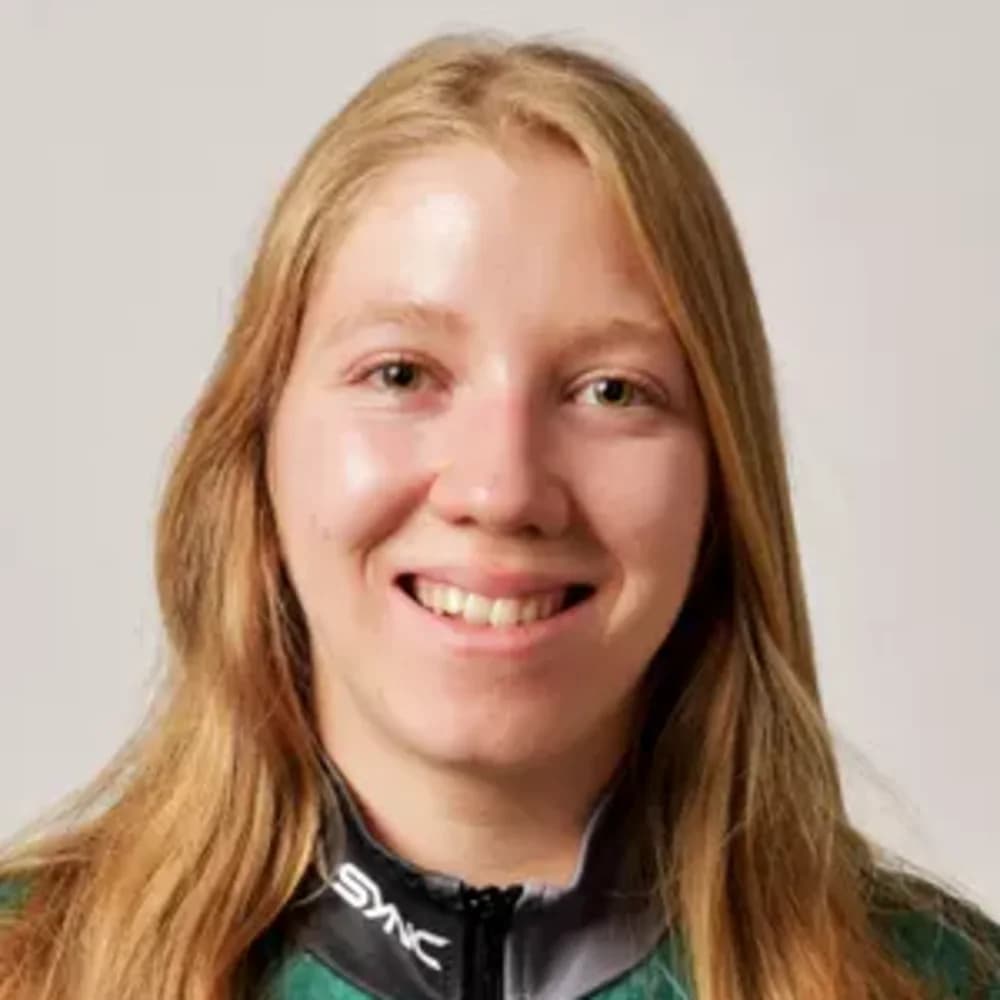
I worked with Tobias from Smarthlete, who did a great job of finding the perfect college for me. He was always available to answer my questions. Without Smarthlete, I would not have been able to go to college in the USA at all. Leonie helped with all the paperwork, including the visa. So, a big thank you to the whole Smarthlete team! I would recommend the agency to any athlete who is looking to study in the USA.

Julia Müller
Plymouth State University, NCAA DIII
We have already secured more than $23 million in scholarships for our athletes – and counting.
Over the years, we have helped thousands of athletes worldwide find the perfect university and the right scholarship in the USA. Currently, more than 400 former Smarthlete clients are studying at colleges across the United States.
We support athletes and families personally, closely, and transparently – reflected in a 95% satisfaction rate.
Meet Our Skiers in The U.S.
Our athletes currently in college have turned their dream of competing in college in the U.S. into reality. With hundreds already placed at top universities, our athletes' stories and successes show what’s possible with the right support.
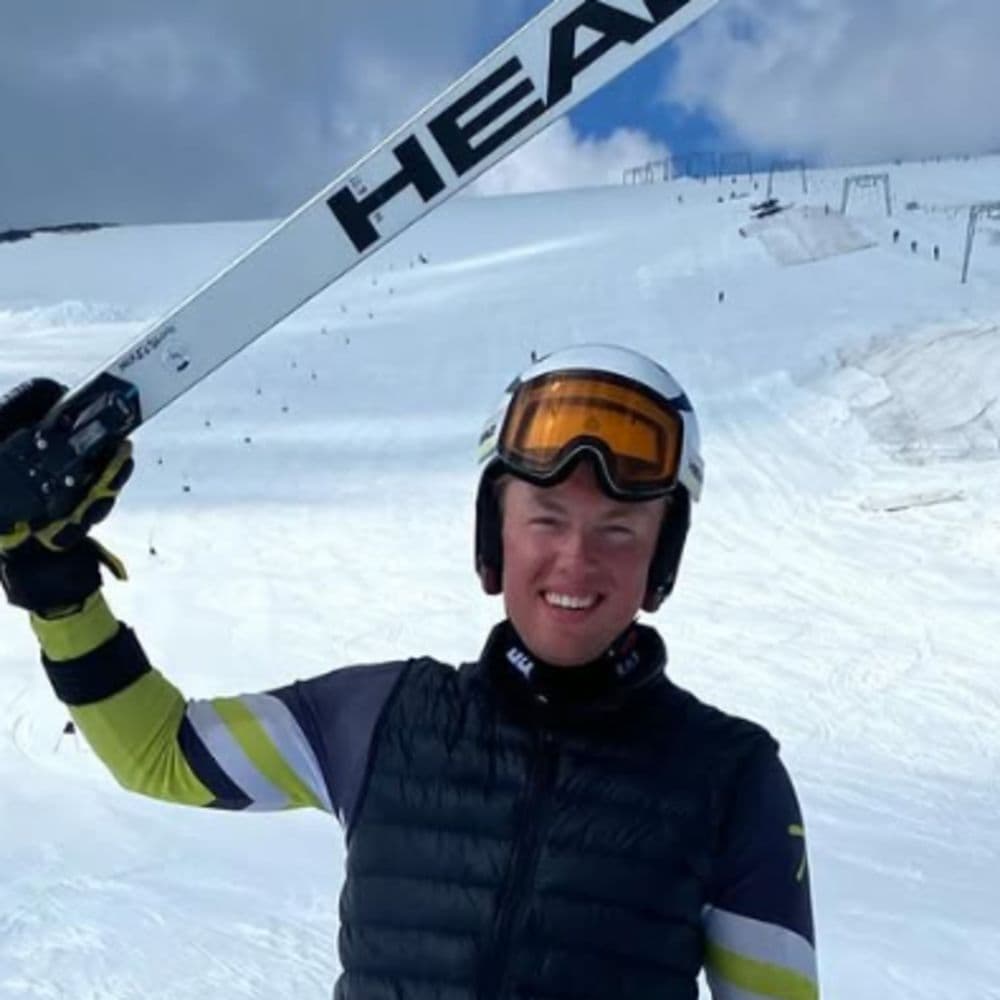
Bosse Mikelsson
Montana State University
NCAA DI
Julia Müller
Plymouth State University
NCAA D-III
This is What Skiing in the U.S. is All About
Discover what it really means to live and ski in the U.S. - this could be your journey next.
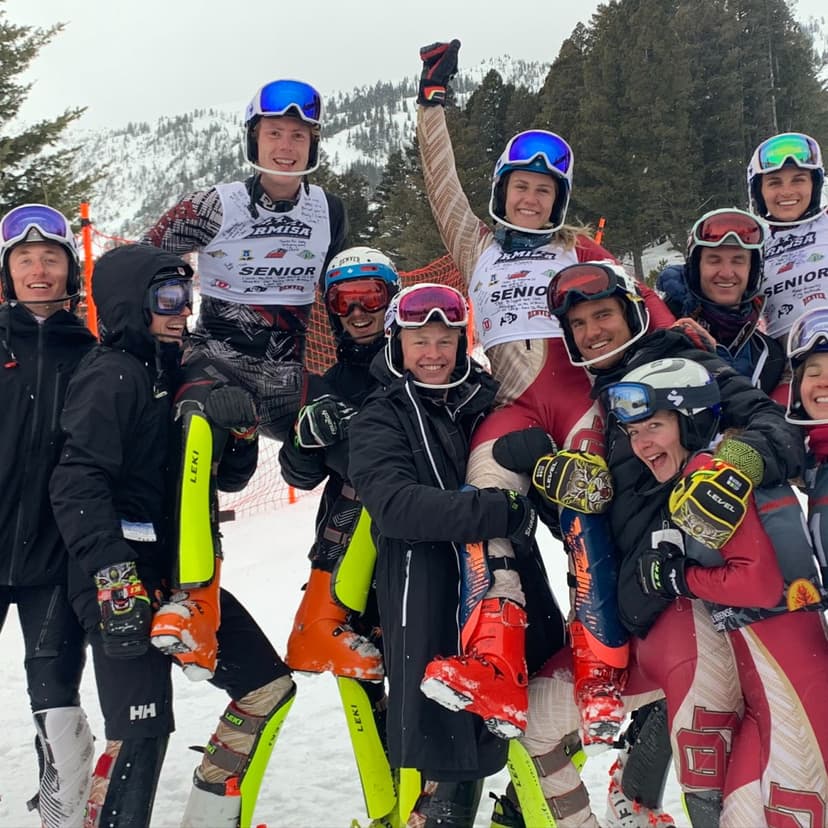
College Skiing Passion
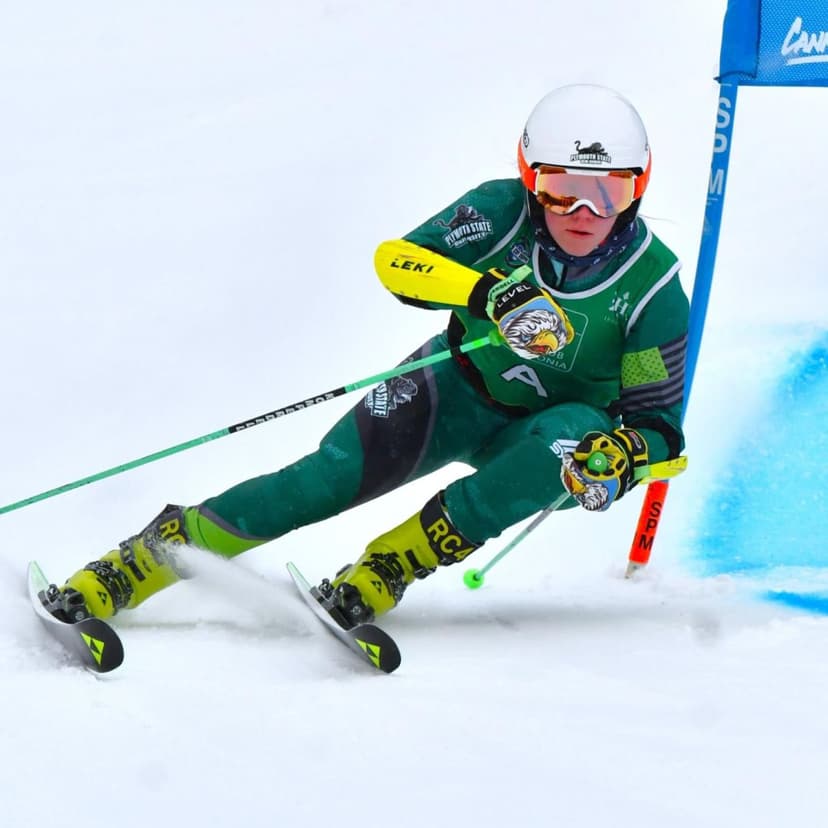
Interview with Julia Müller
College Skiing
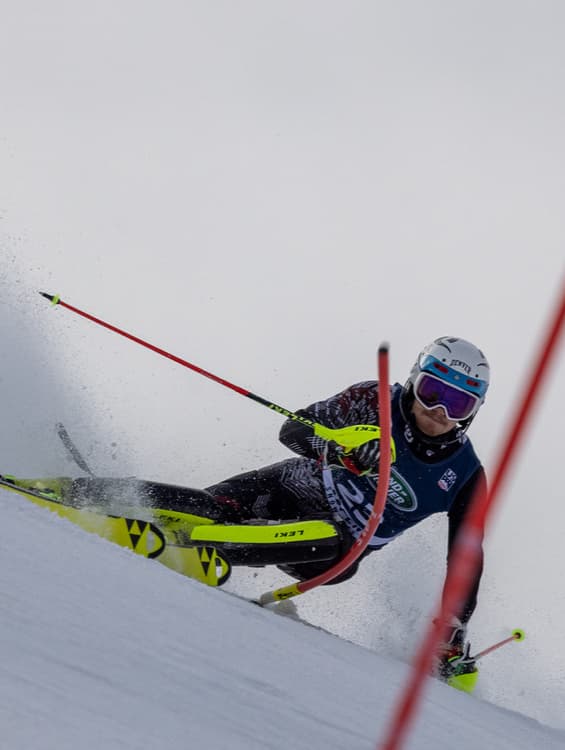
A Day In The Life Of a College Skier
Depending on the time of the year, a college skier's day starts very early. Most programs require athletes to be ready for morning training. These sessions might involve intensive strength and conditioning workouts in the gym, or, for alpine racers, heading straight to the mountain for early morning gate training before the public crowds arrive. Nordic skiers often use this time for long, challenging endurance sessions or rollerskiing.
After the intense early workout, athletes grab a quick breakfast, often rushing to make it to their first round of classes, usually between 8:00 a.m. and noon. After morning classes, it’s typically lunch time, often spent with teammates in the dining hall. Most college ski programs dedicate the mid-to-late afternoon to the primary training session. This is the crucial time for on-snow practice, technique work, or video analysis of past race runs. If travel or snow conditions don't permit time on the mountain, athletes shift to a 2–3 hour session of dryland training, focused on agility, balance, and power specific to skiing.
Student-athletes also use this block for mandatory study hall, attending labs, or scheduling recovery activities. Recovery is critical in skiing to prevent injuries from high-impact training; this includes ice baths, massages, and scheduled physical therapy to ensure the body holds up through a long season. In the evening, there is time to do homework, relax, and socialize. While you have a meal plan in college, you will certainly go out for dinner at times and find some other fun things to do with your friends to unwind after a physically demanding day.
What Does The Recruiting Timeline & College Skiing Season Look Like?
Recruiting Timeline
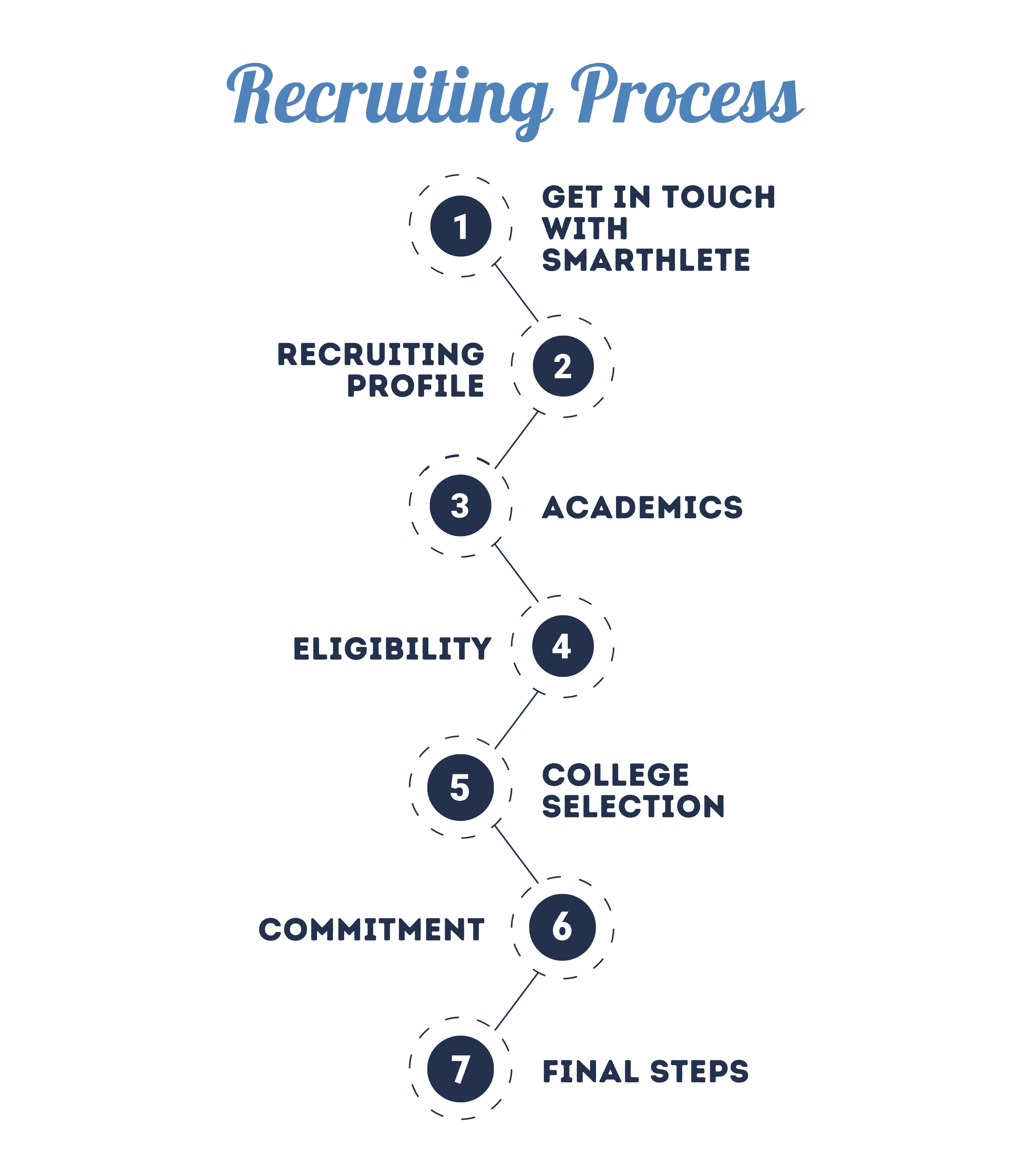
The college skiing recruiting process is highly competitive and requires early preparation. Coaches at top programs begin evaluating athletes well in advance, often securing commitments from their strongest prospects up to two years before enrollment. That’s why we strongly recommend starting your recruiting journey 18 to 24 months before your intended college start date. .
Beginning early gives you the chance to connect with coaches, send updated race footage and results (from recognized competitions like FIS races or major junior championships), complete all eligibility steps, and receive offers before roster spots and scholarship budgets fill up. While it’s still possible to start later, many of the best opportunities may already be taken, so getting ahead is the best way to keep your options open and secure the right fit.
College Skiing Season
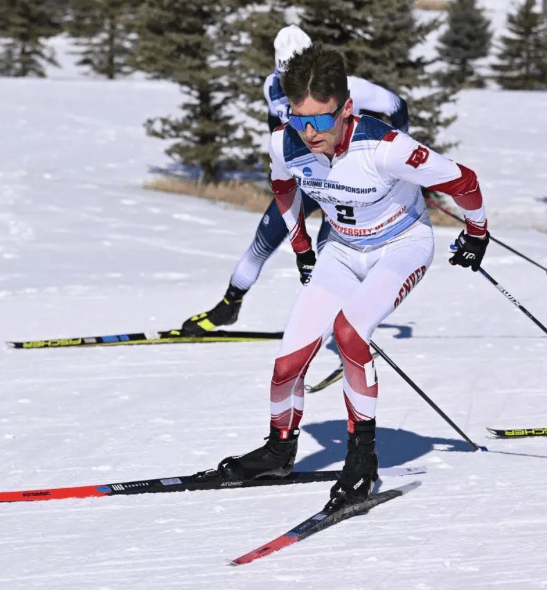
The official college skiing season typically runs from late fall through early spring (November through March), directly mirroring the typical competitive ski racing calendar. During this time, teams compete in regional carnivals and invitationals, representing their schools in pursuit of a conference title and a spot in the NCAA National Championship. The schedule can be intense, with frequent multi-day travel to remote mountain resorts and races nearly every week, requiring athletes to balance academics, competition, and training at a high level.
The remaining semesters serve as the off-season or non-traditional season, focusing heavily on strength and conditioning, dryland training, and individual skill development. The spring (March through May) focuses on recovery followed by an intensive cycle of building base fitness and strength, while the fall (August through November) shifts to pre-season preparation, including specific dryland routines and, as conditions allow, early on-snow camp training. This year-round structure makes college skiing both challenging and rewarding, pushing athletes to continuously improve and perform at their best while earning a degree.
How High a Skiing Scholarship Can I Get?
The amount of college skiing scholarship you can receive depends on several factors-most importantly your skiing level and competition results, the division or association you're targeting (NCAA Division I, II, III, or USCSA), and the specific college or university you aim to join.
Full-Ride Scholarships
A full-ride skiing scholarship covers tuition and fees, housing, meal plan, books, and sometimes even travel or personal expenses. This is the highest level of scholarship support available. Only a small number of athletes receive full rides each year, typically top-ranked international or national-level racers competing for major NCAA Division I or elite Division II programs.
Partial Scholarships
Most college skiers receive partial scholarships, which cover a portion of total college costs (for example, part of tuition or housing). Coaches often divide their total scholarship budget among multiple athletes to build a strong overall team, meaning that race performance, skills, and potential all play key roles in determining how much aid you receive.
Academic and Additional Financial Aid
Many colleges also offer academic scholarships and need-based financial aid. In many cases, these can be combined with athletic scholarships to significantly lower your total cost of attendance. Strong grades and test scores can make a big difference, as academically successful athletes are often more attractive to coaches and more likely to receive additional financial support.

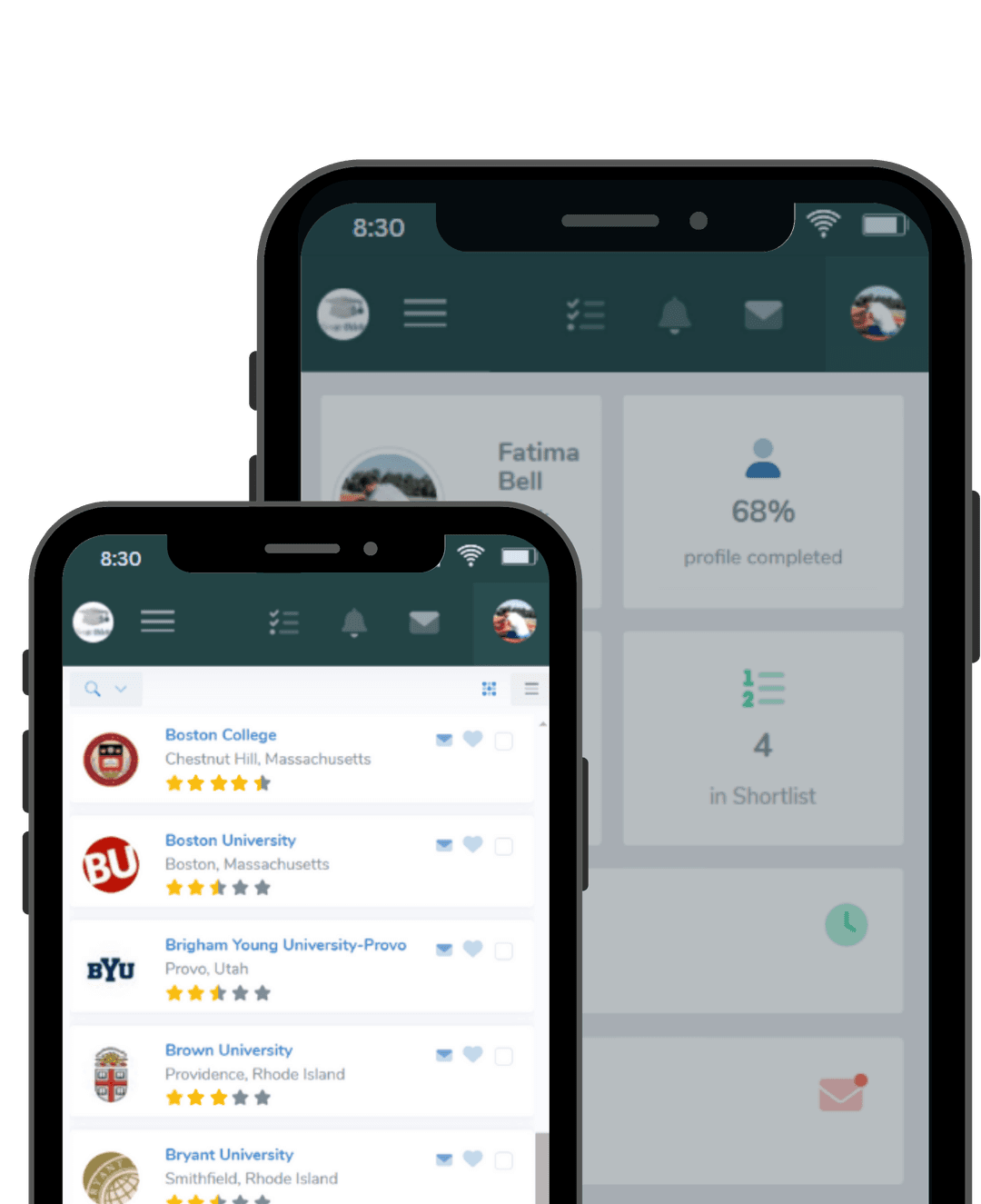
Anywhere, Anytime. Desktop or Mobile.
Be on top of your game when speaking with coaches. Having access to college data helps.

College Placement
Our service plans ensure you have the right level of support you need.
Always included
- Shareable recruiting profile
- Access to our client portal
- College database
- Navigation through the process from A to Z
- Dedicated recruiting expert
- College "Eligibility" review
- Support with all admin tasks
Take a Look at Our Athletes' Successes
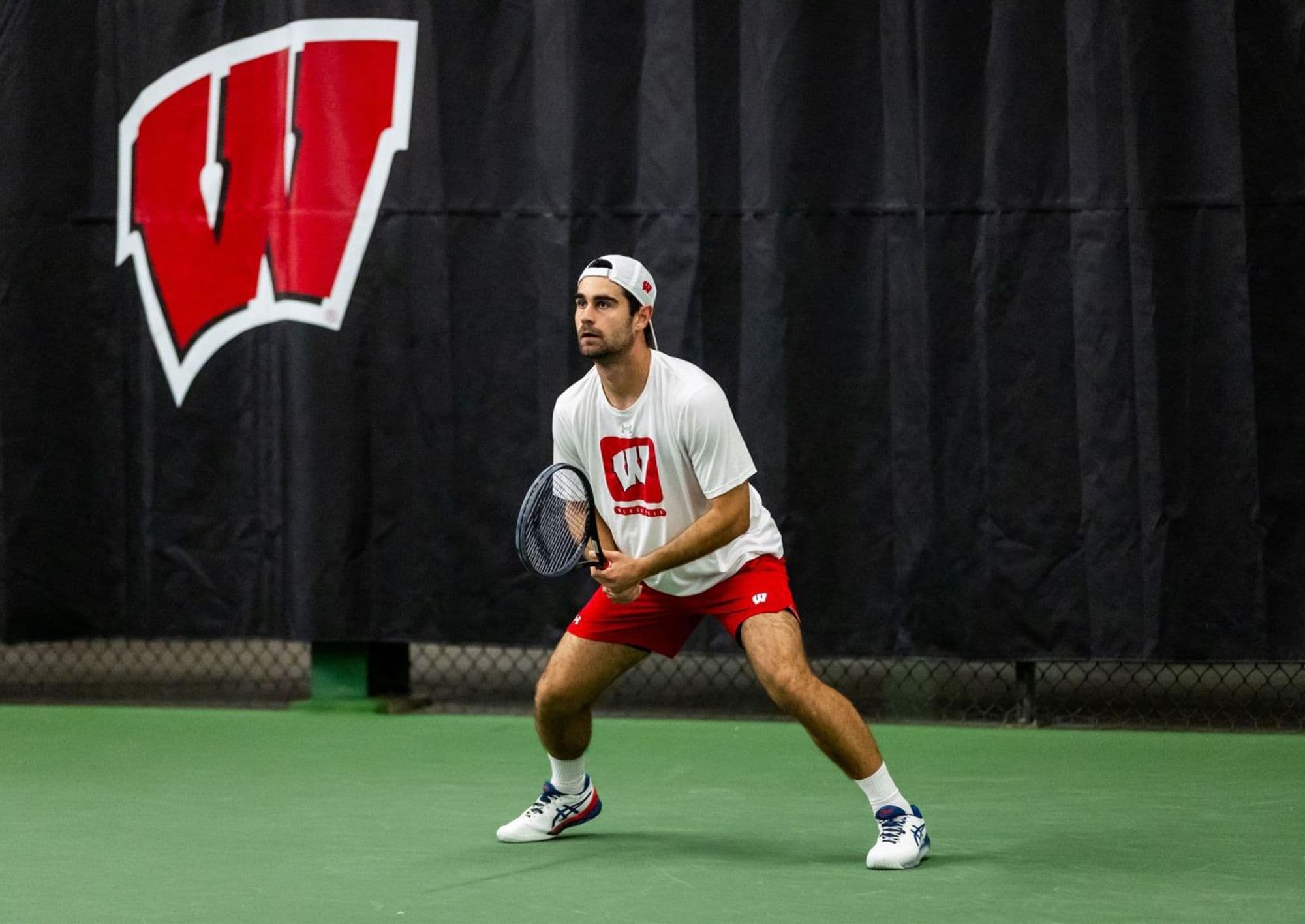
The Wisconsin Way: How Gabriel Huber Mastered the Balance of Elite Tennis and Finance in the Big Ten

From Berlin to Denver: Arthur Akpinar’s First Semester at the University of Denver